Effectively managing your debt is vital for achieving and maintaining financial stability. When you stay on top of your debt, you create a solid foundation for your financial future. However, if you neglect to control your debt, it can quickly take over your life, impacting your ability to make essential purchases, save for emergencies, or invest in your future. Unchecked debt can lead to increased stress and anxiety, affecting your personal and professional relationships. Developing a comprehensive plan for managing your debt is essential, including budgeting, prioritizing payments, and seeking professional advice when necessary. By managing your debt proactively, you can regain control and enhance your overall quality of life.
Consider this example: If you have a credit card balance of $5,000 and the interest rate on that card is 20%, you will face significant costs if you only make the minimum payment of $200 per month, which is 4% of the balance. Under these conditions, it will take approximately 33 months, or nearly 3 years, with a total interest paid of $1,522 to fully pay off this debt. This calculation assumes that you do not add new charges to your credit card during this period, which is often a significant challenge.
Take a moment to examine your current financial situation thoroughly. Start by asking yourself: how many credit cards do you currently own? In addition to your credit card debt, evaluating your other financial obligations is essential. These could include significant expenses such as mortgages for your home, student loans for your education, car loans for your vehicle, and any personal loans you might have taken out.
Once you accumulate multiple sources of debt, escaping from that financial burden can become exceptionally challenging. This situation may feel overwhelming for many individuals, creating a cycle of stress that can take years to break free from. Each monthly payment can weigh heavily on your mind, potentially leading to feelings of hopelessness and anxiety about the future.
Debt can feel like an illness; it can infiltrate every aspect of your life, affecting your financial health and overall happiness and well-being. When debt dominates your life, it severely limits your freedom to make choices, such as the ability to save for emergencies, invest in experiences, or make significant life changes. Recognizing the impact of debt on your life is the first step toward taking control and seeking solutions to improve your financial situation.
Getting out of debt is undoubtedly one of the most intricate challenges many individuals encounter in their financial journeys. This process often demands high dedication, meticulous planning, and a considerable investment of time and energy. It requires a thorough assessment of one’s financial situation, including understanding the types of debt owed and the associated interest rates and developing a realistic budget that accommodates regular payments while also allowing for essential living expenses.
Moreover, a successful debt elimination strategy typically involves setting specific, achievable goals, such as paying off the highest-interest debts first or committing to a strict repayment schedule. Staying motivated throughout this journey is essential, as the road to debt-free can often feel overwhelming and discouraging, especially when faced with unexpected expenses or setbacks.
However, remaining resolute in pursuing a debt-free life is vital, as the rewards are significant. True freedom and peace of mind are attainable only when financial burdens are lifted, allowing you to focus on other aspects of life without the constant weight of debt. By prioritizing your financial health and working consistently toward your goal, you can ultimately achieve relief from debt and a more secure and fulfilling future.
Strategies for Staying Debt-Free
A fundamental principle of effective financial management is living within your means. It is crucial to recognize that consistently spending more than you earn can lead to serious financial repercussions. By maintaining control over your expenses and ensuring they do not exceed your income, you can build a more stable and secure financial future.
Limit Credit Card Use
In “The Total Money Makeover” by Dave Ramsey, the author emphasizes the importance of living within your means and managing debt wisely. One key reference from the book highlights the “cash envelope system,” where you allocate specific amounts of cash for different spending categories. This method encourages individuals to use cash for everyday purchases, ensuring they stay within their budget and avoid overspending.
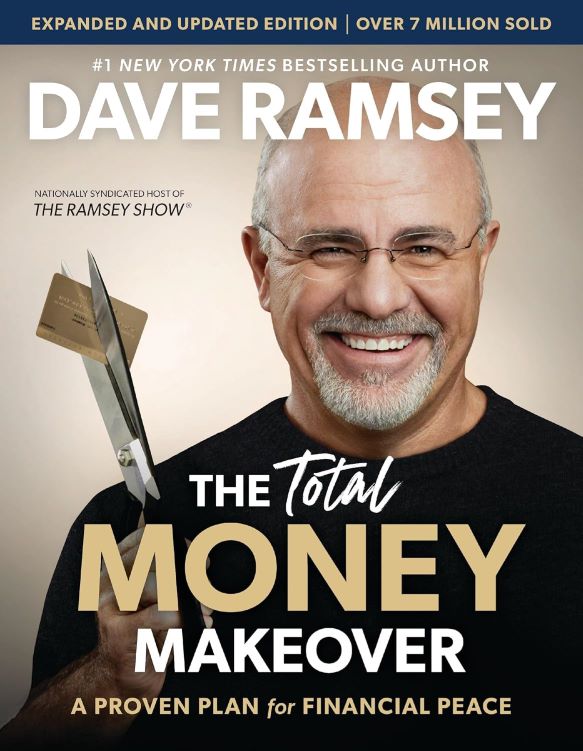
For example, Ramsey shares the story of a family that struggled with credit card debt. They implemented the cash envelope system, setting aside cash for groceries, entertainment, and other expenses. Using cash instead of credit made it easier to track their spending and ultimately paid off their debt more effectively. This approach reflects the principles of limiting reliance on credit cards while instilling discipline in financial habits.
Prioritize What Matters: Embrace Your Essential Expenses!
In budget management, it is essential to prioritize fundamental expenses. Financial resources should be allocated primarily to necessities such as food, mortgage obligations, insurance premiums, and utility bills. Moreover, it is advisable to consider reductions in discretionary expenditures, including cable television subscriptions and frequent upgrades to the latest technology. One should recognize that possessing an extensive array of television channels, the most current electronic devices, or an excessive mobile data plan may not be imperative for daily living. By concentrating on essential expenditures, individuals can enhance their overall financial stability.
Acknowledging that there are no expedient solutions to achieving debt-free status is essential. Individuals will likely need to make various sacrifices and relinquish certain comforts to attain financial stability.
Create a Comprehensive List of All Your Debts!
To effectively manage your debts, creating a comprehensive inventory of all outstanding obligations is crucial. This inventory should include the amounts owed, associated interest rates, and minimum monthly payments. By systematically organizing this information, you will be better equipped to devise a strategic approach for addressing these debts. It is advisable to concentrate on eliminating debts sequentially, starting with those that have smaller balances. This approach will provide the necessary motivation and momentum to sustain your efforts. Consider it akin to pruning bushes in a garden—tackle each one individually to achieve optimal results.
Tackle Those Smaller Debts First!
After eliminating smaller debts, individuals can allocate additional funds to increase the monthly payments on their more significant debts. For example, if one chooses to raise the monthly payment from $200 to $300, a $5,000 credit card balance could be extinguished in approximately 18 months rather than nearly three years, thereby saving both time and interest expenses.
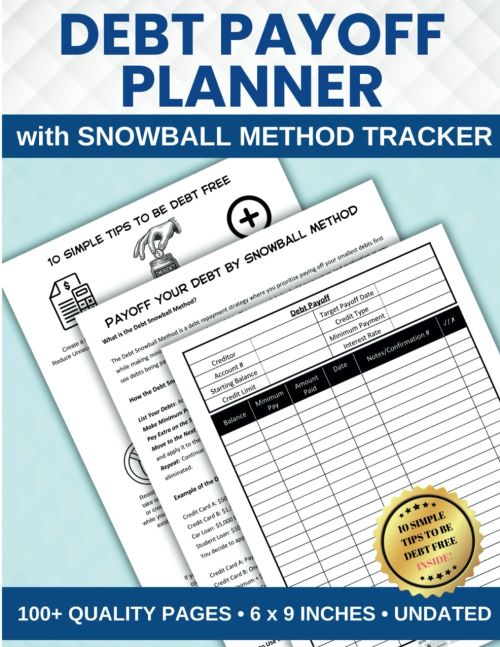
Incorporating the debt snowball method can further enhance this strategy. This approach involves paying off debts from the smallest to largest, regardless of interest rates. By focusing on the smallest debts first, individuals can build momentum and motivation as they see those balances disappear quickly. Once the smallest debt is paid off, the freed-up funds can then be applied to the next smallest debt, creating a “snowball” effect that accelerates the repayment process.
If you’re ready to take charge of your debt situation, consider starting your journey today!
Mortgage Prepayment
If you currently hold a 30-year mortgage with a principal balance of $300,000 and an interest rate of 7%, your expected monthly payment would be approximately $1,995. This figure includes both principal and interest components, which contribute to the total cost of the loan over its duration.
However, one effective strategy for managing managing your mortgage is to add $500 to your monthly payment, raising your total payment to around $2,495. This could reduce the term of your mortgage to about 24 years instead of the entire 30 years.
This additional payment accelerates your repayment schedule and substantially decreases the total interest paid over the life of the loan. Eliminating six years of debt would give you considerable financial flexibility and peace of mind, as well as save a significant amount on interest that would have accrued during those extra years. Overall, this proactive approach can lead to a more manageable financial situation in the long run.
When you receive a raise or a bonus, it’s wise to pause before indulging in luxury purchases like new vehicles. Instead, consider allocating that extra income toward making additional payments on your mortgage or other debts. This strategic approach can accelerate your journey to financial freedom and contribute to a more comfortable and secure future.
Conclusion
In conclusion, managing debt is crucial to achieving long-term financial stability and personal well-being. As you navigate the complexities of your financial obligations, creating a comprehensive plan that encompasses responsible spending, budgeting, and prioritizing necessary expenses is essential. You can regain control over your financial situation by adopting strategies such as limiting credit card use, living within your means, and focusing on basic costs. Remember, the journey to becoming debt-free may be challenging, but with dedication and perseverance, you can break free from the constraints of debt. Ultimately, achieving financial freedom alleviates stress and opens the door to a more fulfilling, secure future where you can focus on what truly matters in life. Stay committed to your goals, and take proactive steps towards a brighter financial outlook.
 Navigating Your Wealth
Leave a comment